 |
 |
 |
 |
 |
 |
 |
 |
 |
|||
 |
 |
|
|||||||
 |
|||||||
 |
|||||||
 |
|||||||
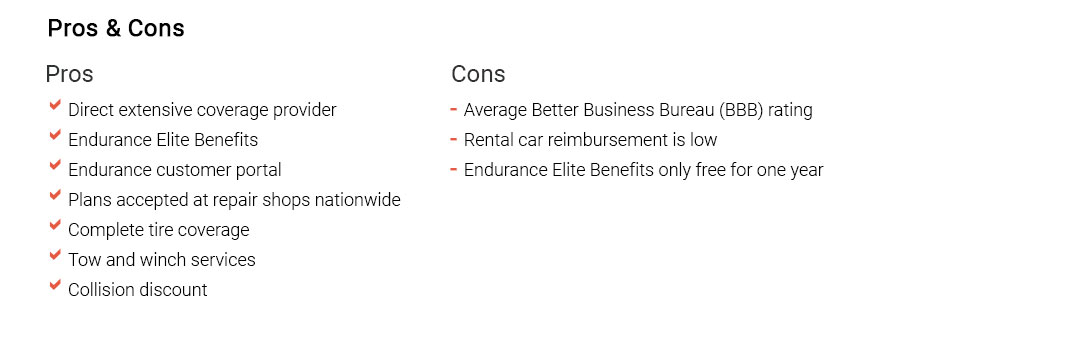 |
|||||||
|
|||||||
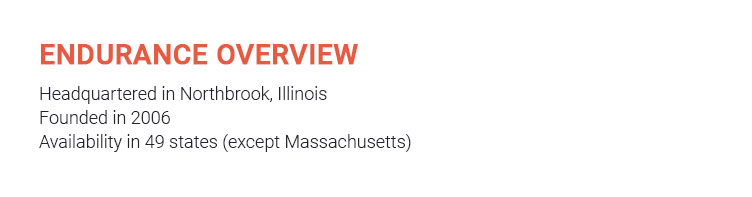





|
||||||
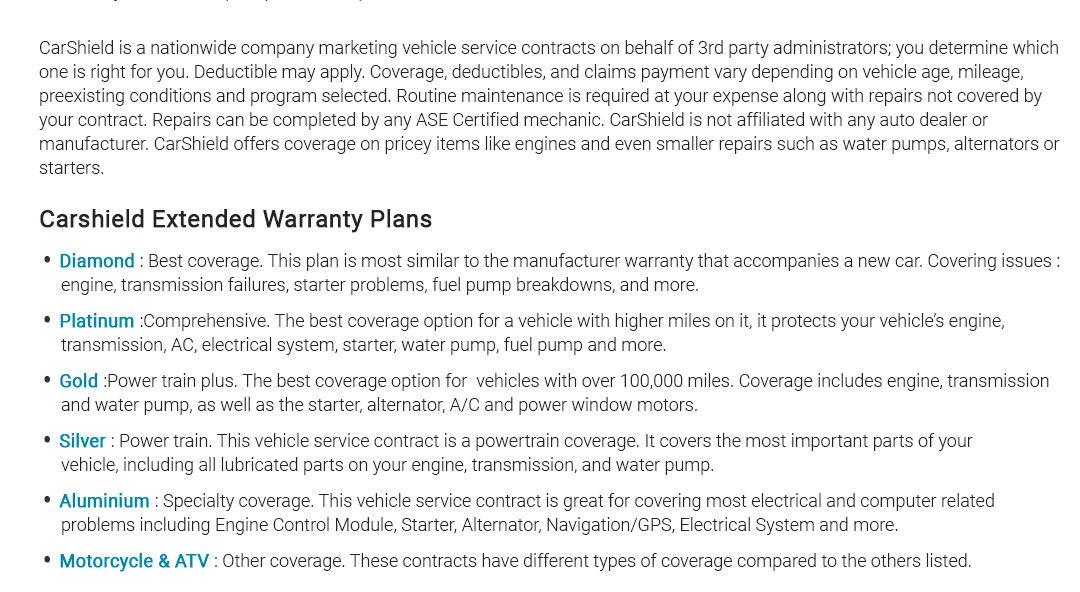 |
||||||
 |
||||||
 |
||||||
|





 |
 |
 |
 |
 |
 |
 |
auto service warranty reviews with practical takeawaysWhat I check firstI read the newest reviews before the glowing ones. Recency shows how claims are handled now, not years ago. Star counts feel tidy, but I want specifics: what broke, how fast was approval, and what the final result cost out of pocket.
A quick second thoughtMy first instinct is to distrust promotional offers - they can mask exclusions. On second thought, a transparent offer that links to a clear sample contract and lists exclusions upfront may hint at better outcomes than a vague promise with no paperwork preview. A real moment at the counterStanding at a neighborhood transmission shop, I pulled up three auto service warranty reviews on my phone. One plan looked cheap, but multiple reviewers said the adjuster demanded dealership diagnostics only - long waits, higher bills, delayed results. I chose the plan whose reviewers mentioned same-day approvals at independents; the repair started before lunch. Signals that predict results
Reading the way offers are writtenLimited-time offers aren't the problem; vague ones are. Phrases like "bumper-to-bumper" without a named exclusions list usually predict disappointment. Conversely, "exclusionary with listed carve-outs" plus a downloadable sample contract is promising.
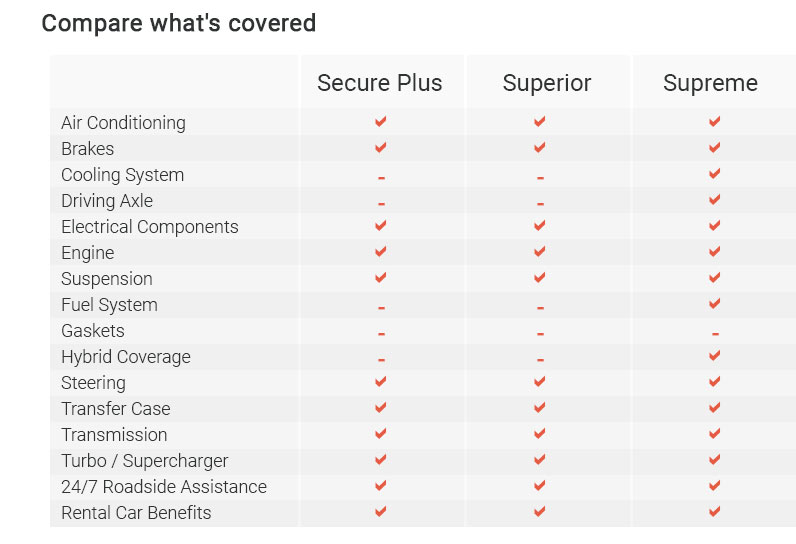
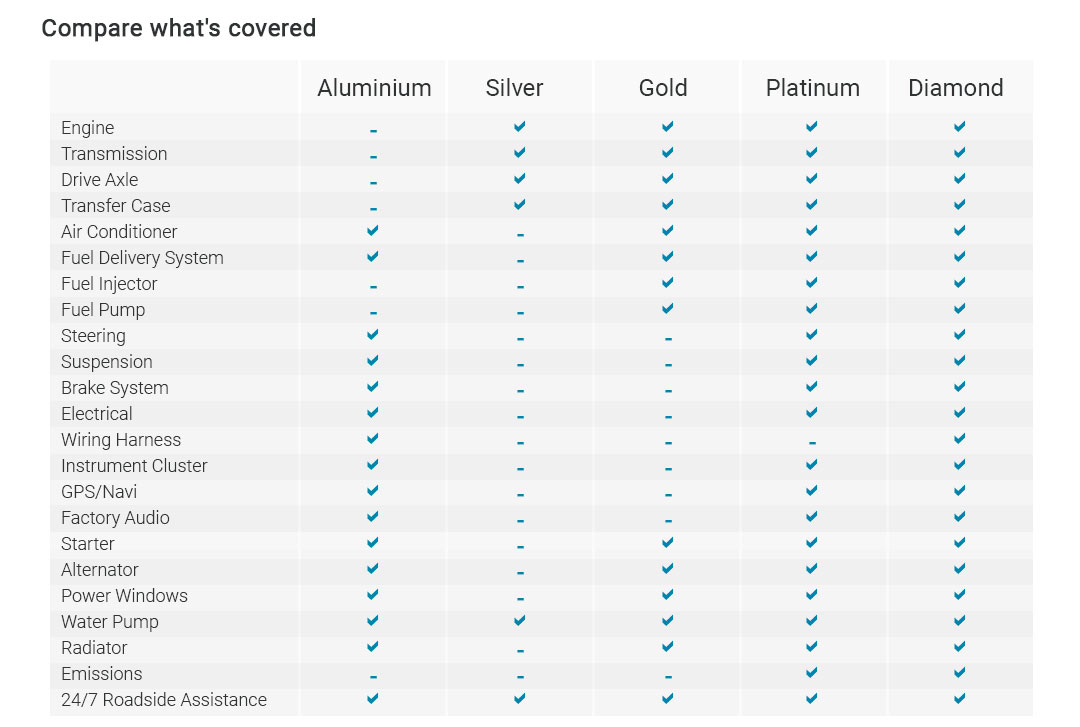
Coverage tiers in plain terms
What reviews rarely say out loudSome denials trace back to skipped maintenance. Reviewers may omit this. I look for notes about oil change intervals, fluid receipts, and whether the shop documented "normal wear" vs. "sudden failure." That distinction often decides the result. Patterns that build trustClusters of reviewers mentioning the same adjuster behavior, the same shop network experiences, and the same turnaround times carry more weight than generic praise. Mixed reviews with detailed negatives and detailed positives feel more believable than perfect 5-stars. Red flags I've learned to notice
Green flags that correlate with smoother outcomes
Small experiments before committingCall the claims line at lunchtime; see if a human answers. Email for a sample contract; time the reply. Ask a nearby shop which plans they see paid without haggling. These tiny tests predict the result better than slogans. Bottom lineI stay skeptical but not cynical. Solid auto service warranty reviews point to consistent approvals, clear caps, and honest offers. If the paper matches the stories - and the stories show swift, predictable results - that's the plan I'll consider. Otherwise, I keep scrolling.
Main Topic:
Auto Warranty Reviews
https://www.bbb.org/us/ar/mountain-home/profile/auto-warranty-processing/auto-services-company-inc-0935-16648/complaints
So *** **** ** *** ******* sent the repair estimate to ASC Warranty and they are denying coverage. They are not honoring their service. Now I'm stuck with a car ... https://www.automoblog.com/reviews/auto-warranty/asc-warranty-reviews-plans-and-costs/
ASC Warranty earned an overall score of 3.9 out of 5.0 in our most recent extended warranty study due to its four well-appointed coverage levels and ... https://www.quora.com/While-many-extended-auto-warranties-are-a-scam-are-there-any-legitimate-reasons-to-get-an-extended-auto-warranty
The extended warranty from dealerships and in very few cases auto insurance companies are legit, but whether they are worth buying depends on ...
|
